

What You Need to Know About ADHD and Women
Many girls with ADHD are not bouncing off the walls. They are daydreaming, losing track of assignments, rereading the same page five times, or talking too much in class. Because they are not disruptive, they fly under the radar. A lot of them are bright and hardworking enough to compensate for years, which delays diagnosis even further.

PMS vs. PMDD vs. PME: A Psychiatrist Explains the Difference
Premenstrual dysphoric disorder (PMDD) is a more severe form of PMS. Premenstrual exacerbation (PME) is a different condition altogether. In this blog post, I go over the similarities and differences.
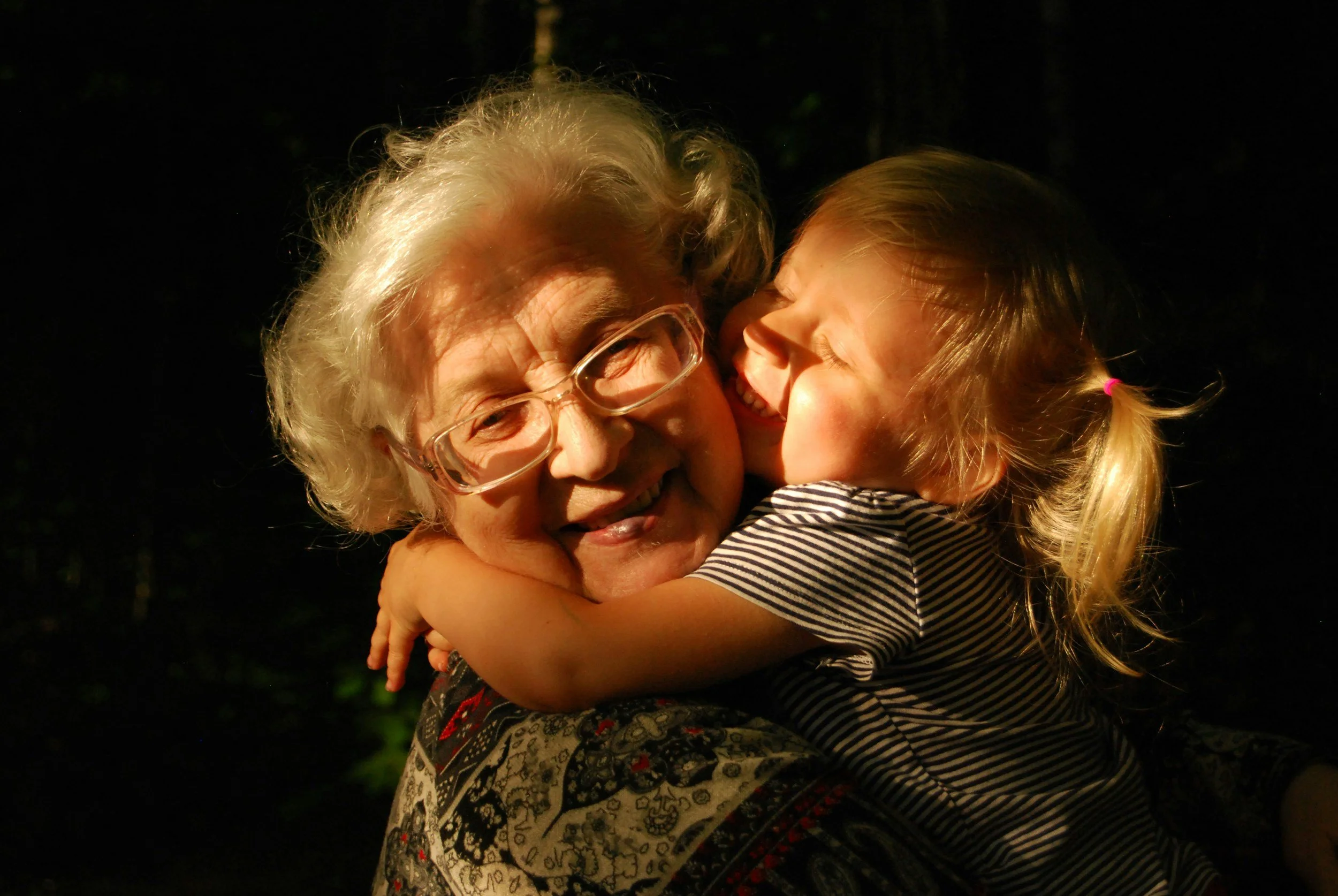
"It's Just Part of Getting Old": The Ageism Problem in Mental Health Care
I went into psychiatry believing that mental health care should be preventive, thorough, and available across the whole lifespan. Every time an older adult gets dismissed, we lose the chance to give someone more good years with their family, more mornings that feel worth waking up for.
Aging is inevitable. Suffering without help is not. If someone you love, at any age, is struggling, treat it like the medical issue it is. Because it is one.

Self Compassion: Why It Matters at Every Age
Self compassion is not letting yourself off the hook, and it is not positive thinking. Psychologist Kristin Neff, who has led much of the research in this area, describes it as three things working together: treating yourself with kindness when you struggle, recognizing that struggle is part of being human rather than a personal failure, and noticing painful thoughts without getting swallowed by them.

Why Burnout Looks Different With ADHD, Autism, Anxiety & Depression
Burnout is a state of chronic depletion that builds when demands outpace your ability to recover, usually over months or longer. The classic burnout symptoms are emotional exhaustion, a growing sense of detachment or cynicism, and a drop in how effective you feel. Burnout is not a formal psychiatric diagnosis, but it overlaps heavily with conditions like depression and anxiety, which is part of why it gets missed or mislabeled so often. The key thing to understand is that your underlying neurology changes the entry point.

Complementary Approaches to ADHD Treatment: What the Evidence Actually Shows
Complementary approaches can meaningfully support ADHD treatment, but they work best alongside evidence-based care, not as a replacement for it. In this post, I walk through what the research actually says about the most popular complementary strategies, so you can make informed decisions about your care.

Burnout vs. Depression: How to Tell the Difference
Burnout and depression overlap so much that they're easy to confuse, even for the people living through them. Both leave you exhausted. Both make it hard to care about things you used to care about. Both can flatten your mood and drain your energy. But they are not the same thing, and the difference matters, because treating one like the other is a big reason people stay stuck for months or years longer than they need to.

Estrogen and Mental Health: How Hormones Affect Mood, Anxiety, and Brain Function
Estrogen is both a reproductive hormone and a neuroactive hormone. It crosses the blood-brain barrier, binds to receptors throughout the brain, and regulates the neurotransmitter systems responsible for mood, anxiety, motivation, and cognition. When estrogen levels are stable, these systems function efficiently. When estrogen fluctuates or declines — across the menstrual cycle, postpartum, and during perimenopause — the mental health effects can be profound.

Anxiety Disorders: What You Need to Know About GAD, Panic Disorder, and Social Anxiety
Anxiety disorders are a group of mental health conditions characterized by excessive, persistent fear or worry that is difficult to control and significantly impacts functioning. They are not a character flaw, a sign of weakness, or something you can simply think your way out of. They are medical conditions with identifiable patterns, neurobiological underpinnings, and evidence-based treatments.

Shared Decision Making in Psychiatry: What It Is and Why It’s Important for Care
Psychiatric treatment is personal by nature. Choosing treatment in psychiatry involves understanding how a medication or therapy approach fits into your actual life: your schedule, your priorities, your relationships, what you're hoping to feel like.

OCD Myths: What Most People — and Many Doctors — Get Wrong
The myths around OCD delay diagnosis, misdirect treatment, and cause people to suffer unnecessarily — often for years — with a condition that is highly treatable. If you've been told you have anxiety or depression and something about that hasn't quite fit, a more targeted evaluation may be worth pursuing.

Perimenopause and Mental Health: What’s Hormonal vs. What’s Not
Perimenopause, the transitional phase leading up to menopause, can begin in the mid-30s to early 40s and last for several years. During this time, estrogen and progesterone levels don’t just decline — they fluctuate unpredictably. Those fluctuations affect mood, sleep, focus, and emotional resilience in ways that are real, measurable, and too often missed.

Health Is Wealth: What Thousands of Patients Taught Me About What Really Matters
Here's what I've come to believe: health isn't just one part of a good life. It's the part that makes everything else possible. You can work hard, build a career, create financial security for your family — and all of that matters. But if your body is worn down or your mind is struggling, none of those things feel the way you hoped they would.

The Anxiety-Insomnia Loop: Which Comes First?
Anxiety disrupts sleep. Poor sleep amplifies anxiety. Over time, the two conditions feed each other in ways that make both harder to treat — and harder to recognize as separate problems at all.

What Is Health Anxiety? Understanding Illness Anxiety Disorder and Somatic Symptom Disorder
Health anxiety is a general term for excessive worry about your health. When severe, it may be diagnosed as illness anxiety disorder (fear of serious illness with little or no symptoms) or somatic symptom disorder (real physical symptoms with excessive worry about them).

Postpartum OCD vs Postpartum Anxiety: What New Parents Need to Know
Postpartum OCD and postpartum anxiety are common conditions in new mothers that can look similar but have key differences. Postpartum OCD involves intrusive thoughts and compulsions, while postpartum anxiety presents as more generalized worry. Both are highly treatable with the right support.

Mental Health After a Heart Attack: Depression, Anxiety, and Recovery
Depression after a heart attack is linked to a 2–4 times higher risk of future cardiac events and mortality. The good news is that early recognition and treatment can significantly improve outcomes.

Sleep Medications Explained: Types, Risks, and Why CBT-I Is Still First-Line
If you are struggling with chronic insomnia, you may be wondering which sleep medications are safe and effective. While medications can offer short-term relief, they often come with risks like dependency and daytime grogginess. Leading medical authorities recommend Cognitive Behavioral Therapy for Insomnia (CBT-I) as the first-line treatment.

Stress vs. Anxiety: What’s the Difference?
Many people use the words stress and anxiety interchangeably. They can feel very similar. Both can cause worry, tension, trouble sleeping, or a racing heart. But medically, stress and anxiety are not the same thing. Understanding the difference can help people recognize when what they’re experiencing is a normal response to life versus when it may be a mental health condition that deserves professional attention.

ADHD in Women: Postpartum, Perimenopause, and Hormonal Changes
Estrogen plays an important role in regulating dopamine, a neurotransmitter involved in attention, motivation, and executive functioning. Dopamine signaling is already altered in ADHD, which means changes in estrogen levels can have a noticeable impact on symptoms. When estrogen levels drop or fluctuate—as they do after childbirth and during menopause—dopamine pathways can become less efficient.