Progesterone and the Patterns of Women’s Health
Progesterone is often described as a “reproductive hormone,” but its role in the body goes far beyond fertility and pregnancy. Progesterone affects menstrual cycles, mood, sleep, brain function, and overall well-being, and changes in progesterone levels can have real physical and emotional effects throughout a woman’s life.
Understanding how progesterone works—and how it changes over time—can help explain symptoms that many women experience during their reproductive years, perimenopause, and menopause.
What Is Progesterone?
Progesterone is a natural hormone made primarily by the ovaries. Smaller amounts are produced by the adrenal glands, and during pregnancy, the placenta becomes the main source.
Its name comes from “pro-gestation,” reflecting its essential role in supporting pregnancy. But progesterone also plays an important role in how the brain and nervous system function, influencing mood, anxiety, and sleep.
How Progesterone Changes During the Menstrual Cycle
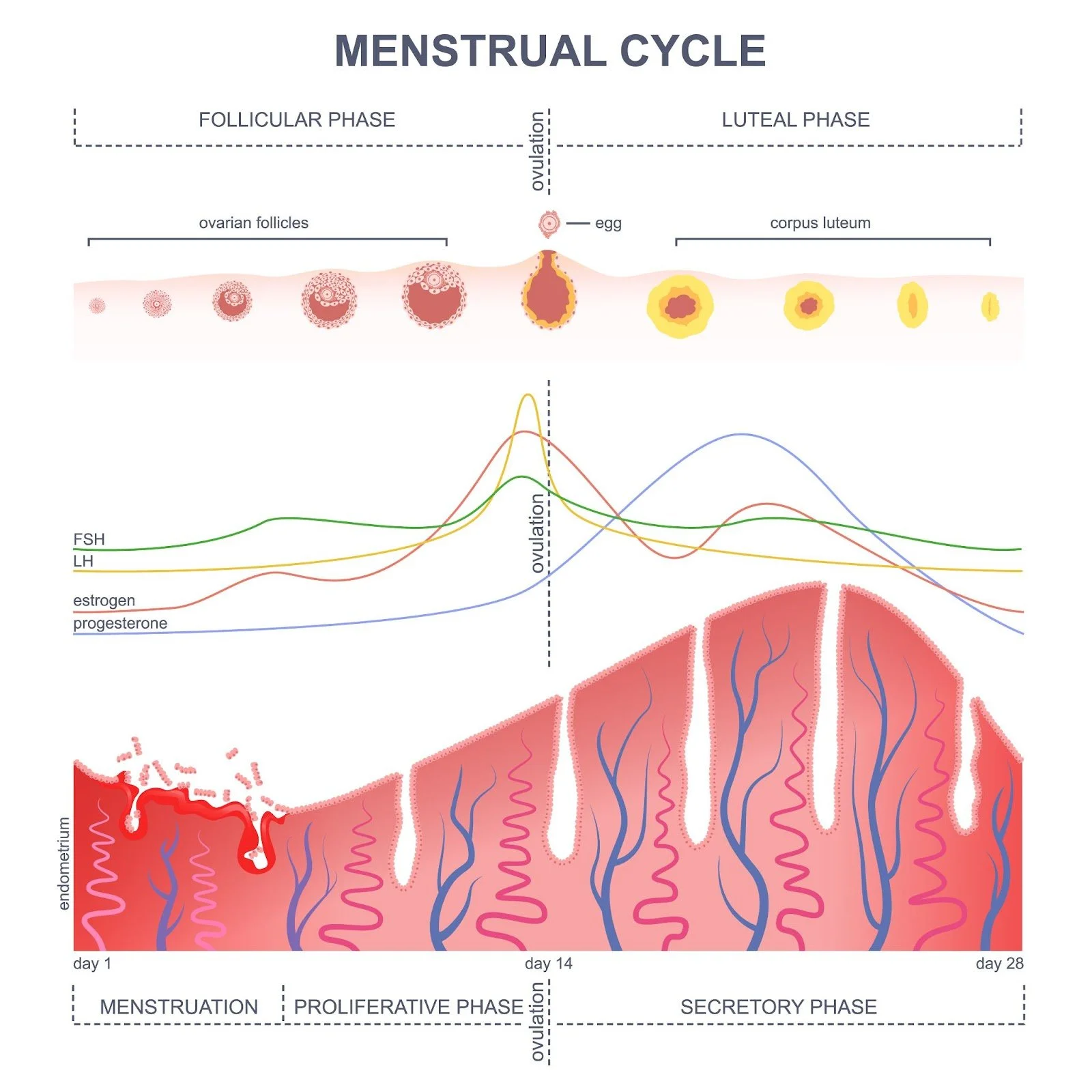
Progesterone levels are low during the first half of the menstrual cycle, before ovulation.
After ovulation, progesterone rises during the second half of the cycle (the luteal phase).
This increase helps:
Prepare the uterus for a possible pregnancy
Balance the effects of estrogen
Regulate menstrual bleeding
If pregnancy does not occur, progesterone levels fall. This drop signals the body to shed the uterine lining, resulting in a menstrual period.
Progesterone During Perimenopause and Menopause
Perimenopause
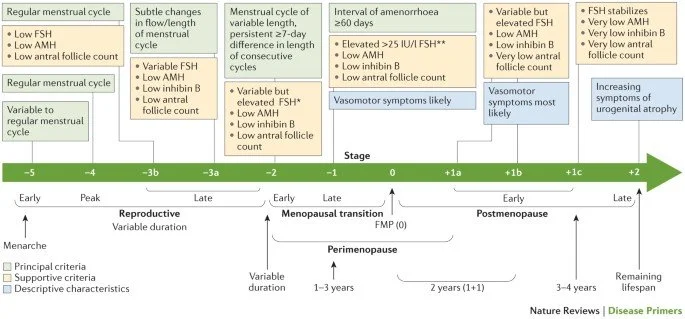
Perimenopause is a transition period marked by hormonal unpredictability. Ovulation becomes less consistent, which means progesterone production often declines, even when periods are still regular.
During this time:
Progesterone levels are often lower overall
Estrogen levels may fluctuate widely or remain relatively high
The balance between estrogen and progesterone is disrupted
This imbalance can contribute to symptoms such as mood changes, anxiety, sleep problems, and irregular cycles.
Menopause
After menopause, progesterone levels remain consistently low. The brain also produces less allopregnanolone, a calming substance made from progesterone. These changes help explain why some women notice shifts in mood, sleep, or stress tolerance after menopause.
Progesterone and Mental Health
Progesterone has powerful effects on the brain. It is converted into allopregnanolone, which interacts with GABA receptors, the brain’s main calming system.
Because of this, progesterone can influence:
Anxiety and stress response
Mood stability
Sleep quality
However, the relationship is complex. Some women feel calmer when progesterone is higher, while others experience increased anxiety or irritability, especially when hormone levels change quickly. The pattern and timing of progesterone changes matter just as much as the amount.
Progesterone and PMDD
Progesterone also helps explain conditions like premenstrual dysphoric disorder (PMDD). PMDD is not caused by low progesterone levels alone. Instead, research shows that symptoms are related to an increased sensitivity to normal progesterone fluctuations after ovulation.
In susceptible individuals, progesterone tends to rise earlier and fall more sharply just before menstruation. This rapid shift can disrupt the brain’s calming pathways, particularly those involving allopregnanolone. This means PMDD reflects a heightened brain response to normal hormone fluctuations, rather than a hormone imbalance that would show up on routine lab tests.
Progesterone and Physical Health
Progesterone plays a key role in physical health by:
Regulating the uterine lining and menstrual bleeding
Supporting implantation and pregnancy
Helping relax uterine muscle activity
Beyond reproduction, progesterone is also a building block for other hormones, including cortisol, estrogen, and testosterone. It has neuroprotective effects in the brain and influences bone health, which becomes especially important during midlife.
When progesterone is prescribed, micronized progesterone—a form identical to what the body naturally makes—appears to have a more favorable safety profile than synthetic progestins.
Why Progesterone Matters in Midlife
As progesterone production becomes less consistent during perimenopause and remains low after menopause, many women notice changes in mood, sleep, anxiety, and overall resilience. These symptoms are often misunderstood or dismissed, yet they reflect real biological changes.
Understanding progesterone helps explain why symptoms can feel new or unexpected—and why supporting hormonal balance and stability can make a meaningful difference in quality of life.
Symptoms related to PMS, PMDD, perimenopause, or menopause are common and treatable. Working with an experienced doctor can help you identify the underlying factors and create a personalized plan to help you feel better.