Estrogen and Mental Health: How Hormones Affect Mood, Anxiety, and Brain Function
Estrogen is both a reproductive hormone and a neuroactive hormone. It crosses the blood-brain barrier, binds to receptors throughout the brain, and regulates the neurotransmitter systems responsible for mood, anxiety, motivation, and cognition. When estrogen levels are stable, these systems function efficiently. When estrogen fluctuates or declines — across the menstrual cycle, postpartum, and during perimenopause — the mental health effects can be profound.
Understanding the estrogen-brain connection explains a lot of experiences that too often get attributed to stress, personality, or aging.
How Estrogen Affects Serotonin and Mood
Serotonin is the neurotransmitter most associated with mood stability and emotional wellbeing. Estrogen supports the serotonin system at multiple levels: it increases serotonin production, enhances receptor sensitivity, and reduces MAO-A — the enzyme that breaks serotonin down.
Higher estrogen supports more efficient serotonin signaling. Lower or fluctuating estrogen does the opposite — reducing availability and blunting the brain's ability to use it.
This is why women are significantly more likely than men to experience depression across their reproductive years, and why depressive episodes cluster around hormonal transitions: the late luteal phase before a period, the postpartum period, and perimenopause. It also explains why SSRIs are effective treatments for PMDD, postpartum depression, and perimenopausal mood symptoms — they compensate for exactly this disruption.
Estrogen, Dopamine, and Cognitive Symptoms
Dopamine drives motivation, focus, reward, and executive function. Estrogen increases dopamine synthesis, enhances receptor sensitivity, and slows reuptake. When estrogen is high, the dopamine system functions more robustly. When it drops, dopamine signaling becomes less efficient.
Clinically, this looks like reduced motivation, difficulty concentrating, lower frustration tolerance, and a flattened sense of reward. It's why women with ADHD often find symptoms significantly harder to manage in the luteal phase, postpartum, and during perimenopause. It's also the neurobiological basis of the brain fog and word-finding difficulties so common during the menopausal transition — not signs of aging, but downstream effects of estrogen's influence on dopamine.
Estrogen, Norepinephrine, and Anxiety
Norepinephrine governs alertness, attention, and the stress response. Estrogen supports norepinephrine availability and modulates the HPA axis — the system that controls cortisol release.
When estrogen is adequate, cortisol responses to stress return to baseline efficiently. When estrogen is low, this system can dysregulate: stress responses become exaggerated, recovery is slower, and the baseline state shifts toward heightened arousal. This is why women in perimenopause frequently describe new or worsened anxiety — a physical restlessness or sense of dread that feels different from ordinary worry. It has a neurobiological basis, not a psychological one.
Estrogen, GABA, and Sleep
GABA is the brain's primary inhibitory neurotransmitter — responsible for calming neural activity, reducing anxiety, and supporting sleep. Estrogen interacts with GABA receptors and influences the neurosteroids that modulate GABAergic tone.
Progesterone's metabolite allopregnanolone is a potent positive modulator of GABA receptors, which is why progesterone has calming, sleep-supportive effects. When both estrogen and progesterone decline — in the late luteal phase and across perimenopause — GABA-mediated inhibition weakens, contributing directly to anxiety, irritability, and insomnia. This is part of why non-hormonal treatments that don't address underlying GABA dysregulation often offer only partial relief.
What Estrogen-Related Mental Health Symptoms Look Like
The estrogen-brain connection reframes several common clinical presentations:
A woman in her late 30s who develops anxiety for the first time is not simply more stressed. Her estrogen may have begun fluctuating.
A woman whose depression returns after years of stability in the postpartum period is not only reacting to new parenthood. Her estrogen dropped rapidly after delivery.
A woman in perimenopause with brain fog, irritability, and disrupted sleep whose labs are "normal" is not imagining things. Her neurochemical environment has shifted significantly.
In each case, the hormonal context shapes both the diagnosis and what treatment will actually work.
Why Timing Matters for Prevention
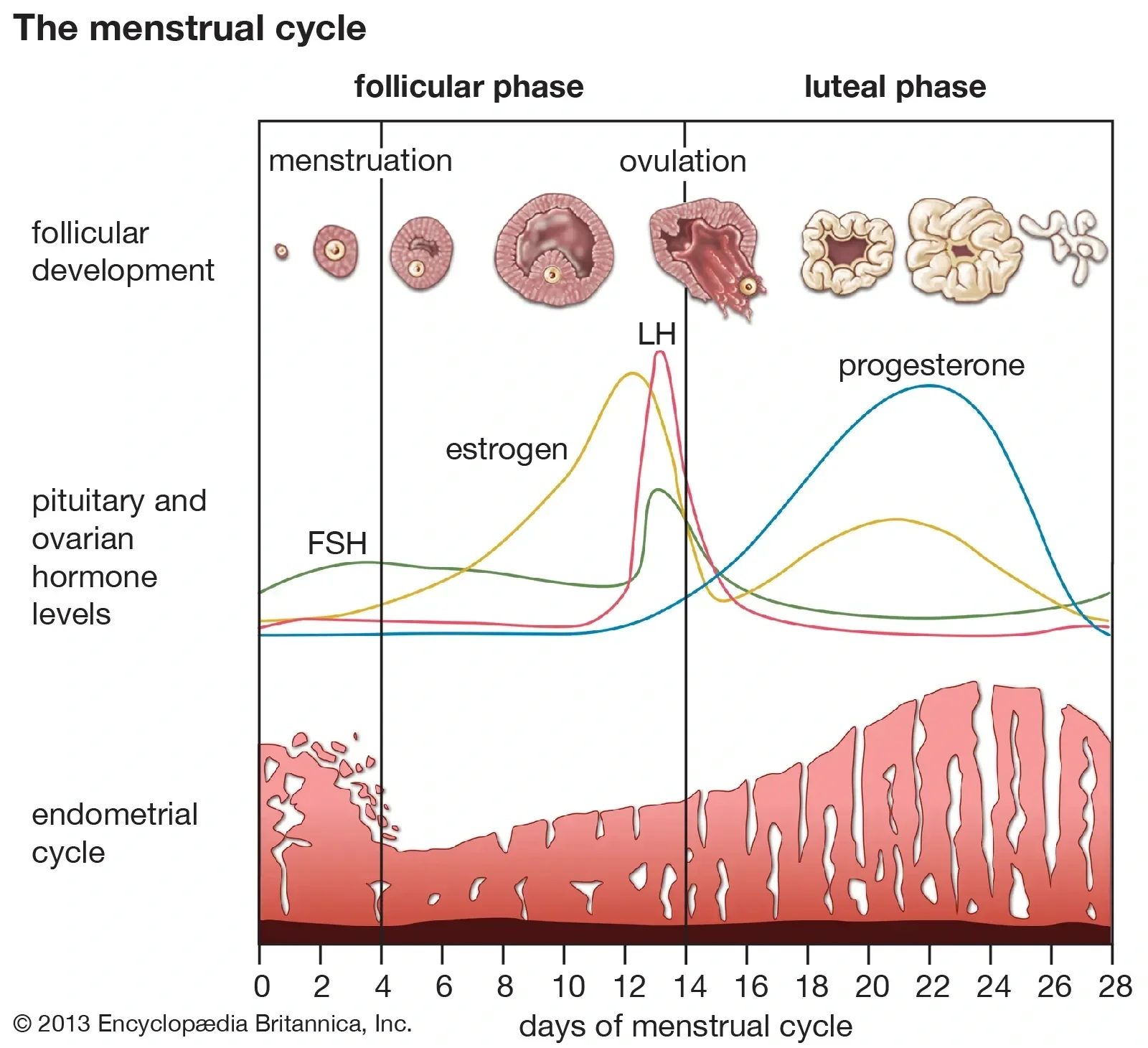
Estrogen's effects on mental health are most significant during periods of rapid transition — when levels shift quickly rather than declining gradually. This is why the postpartum period and perimenopause, not menopause itself, are the highest-risk windows for mood disorders.
Women with a history of mood disorders, premenstrual mood symptoms, or a family history of perimenopausal depression carry elevated risk during these transitions. Identifying that risk in advance — rather than waiting for symptoms to become severe — is where early psychiatric support makes the most meaningful difference. This is the foundation of preventive psychiatry: meeting the brain where it is, before the window of easy intervention closes.
Treatment for Hormone-Related Mood Symptoms
Addressing estrogen-related psychiatric symptoms often involves psychiatry, gynecology, or both. Antidepressants targeting serotonin and norepinephrine can be effective regardless of the hormonal trigger. For some women, hormone therapy — used in appropriate clinical contexts and in collaboration with a menopause specialist — may also help stabilize the neurochemical environment.
There is no single right approach. What matters is that the evaluation is thorough, the hormonal context is taken seriously, and treatment reflects the full picture — not just the symptoms in isolation.
If you're experiencing mood changes, anxiety, brain fog, or sleep disruption that seems tied to your cycle, the postpartum period, or perimenopause, a psychiatric evaluation is a useful place to start.
Please visit Olea Women’s Health for Dr. Simone’s practice focused on women in midlife.