
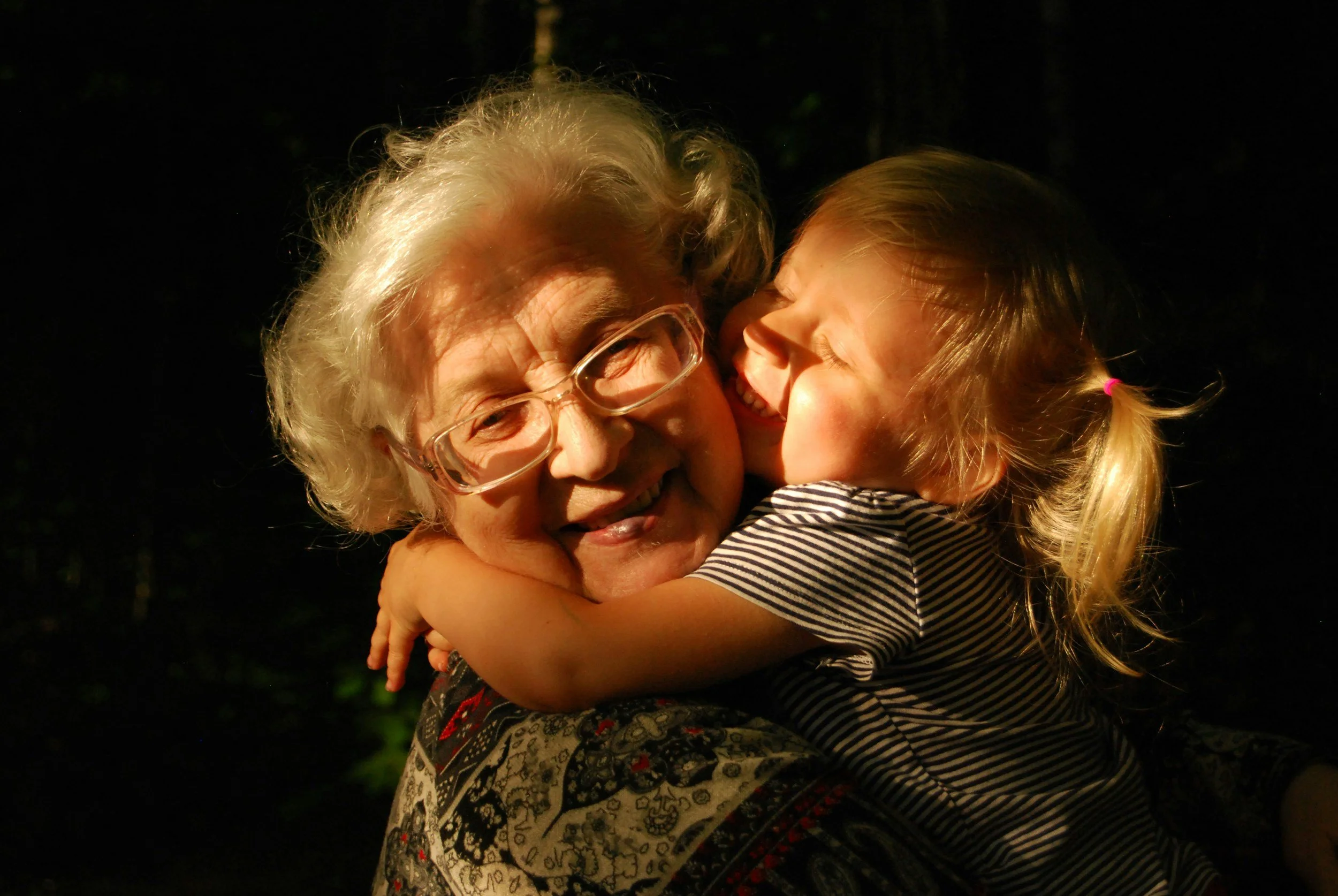
"It's Just Part of Getting Old": The Ageism Problem in Mental Health Care
I went into psychiatry believing that mental health care should be preventive, thorough, and available across the whole lifespan. Every time an older adult gets dismissed, we lose the chance to give someone more good years with their family, more mornings that feel worth waking up for.
Aging is inevitable. Suffering without help is not. If someone you love, at any age, is struggling, treat it like the medical issue it is. Because it is one.

Self Compassion: Why It Matters at Every Age
Self compassion is not letting yourself off the hook, and it is not positive thinking. Psychologist Kristin Neff, who has led much of the research in this area, describes it as three things working together: treating yourself with kindness when you struggle, recognizing that struggle is part of being human rather than a personal failure, and noticing painful thoughts without getting swallowed by them.

Why Burnout Looks Different With ADHD, Autism, Anxiety & Depression
Burnout is a state of chronic depletion that builds when demands outpace your ability to recover, usually over months or longer. The classic burnout symptoms are emotional exhaustion, a growing sense of detachment or cynicism, and a drop in how effective you feel. Burnout is not a formal psychiatric diagnosis, but it overlaps heavily with conditions like depression and anxiety, which is part of why it gets missed or mislabeled so often. The key thing to understand is that your underlying neurology changes the entry point.

Burnout vs. Depression: How to Tell the Difference
Burnout and depression overlap so much that they're easy to confuse, even for the people living through them. Both leave you exhausted. Both make it hard to care about things you used to care about. Both can flatten your mood and drain your energy. But they are not the same thing, and the difference matters, because treating one like the other is a big reason people stay stuck for months or years longer than they need to.

Perimenopause and Mental Health: What’s Hormonal vs. What’s Not
Perimenopause, the transitional phase leading up to menopause, can begin in the mid-30s to early 40s and last for several years. During this time, estrogen and progesterone levels don’t just decline — they fluctuate unpredictably. Those fluctuations affect mood, sleep, focus, and emotional resilience in ways that are real, measurable, and too often missed.

Health Is Wealth: What Thousands of Patients Taught Me About What Really Matters
Here's what I've come to believe: health isn't just one part of a good life. It's the part that makes everything else possible. You can work hard, build a career, create financial security for your family — and all of that matters. But if your body is worn down or your mind is struggling, none of those things feel the way you hoped they would.

Mental Health After a Heart Attack: Depression, Anxiety, and Recovery
Depression after a heart attack is linked to a 2–4 times higher risk of future cardiac events and mortality. The good news is that early recognition and treatment can significantly improve outcomes.

The Power of People: What Harvard’s Longest Study Reveals About Happiness
For more than eight decades, the Harvard Study of Adult Development has followed individuals across their entire adult lives to understand what predicts happiness, health, and longevity. Across generations, social classes, and life circumstances, one factor stands out above all others: the quality of our relationships.

What Postpartum Care Planning With a Psychiatrist Looks Like
Welcoming a new baby is one of the most meaningful transitions in someone’s life, but it is also a time of major physical, emotional, and hormonal change. I never want new parents to enter the postpartum period feeling alone, overwhelmed, or unsure of what to expect. This is why I walk all my expecting moms and dads through a postpartum care plan well before delivery.

How Wellbutrin Helps People Feel Well
Wellbutrin is a commonly prescribed antidepressant for depression. It’s also prescribed off-label for ADHD. Learn more in this blog post.

How Iron Deficiency Can Affect Your Mental Health
Iron is essential for brain chemistry. It is required to produce neurotransmitters like dopamine, serotonin, and norepinephrine. These chemicals influence mood, energy, and concentration.


Understanding the Term “Disorder” in Mental Health
Learn why doctors say “disorder” for mental health diagnoses.