
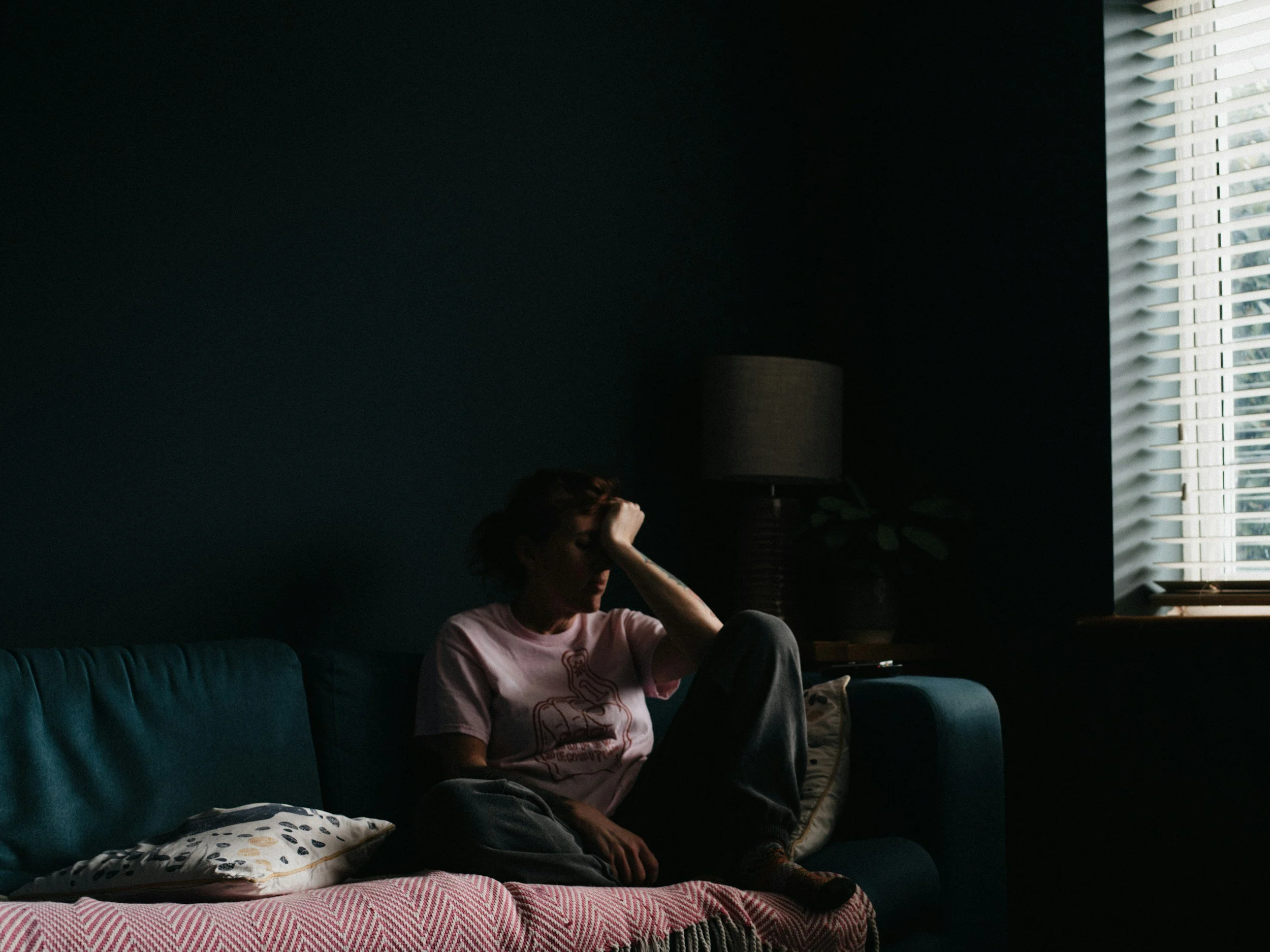
Why Burnout Looks Different With ADHD, Autism, Anxiety & Depression
Burnout is a state of chronic depletion that builds when demands outpace your ability to recover, usually over months or longer. The classic burnout symptoms are emotional exhaustion, a growing sense of detachment or cynicism, and a drop in how effective you feel. Burnout is not a formal psychiatric diagnosis, but it overlaps heavily with conditions like depression and anxiety, which is part of why it gets missed or mislabeled so often. The key thing to understand is that your underlying neurology changes the entry point.

Anxiety Disorders: What You Need to Know About GAD, Panic Disorder, and Social Anxiety
Anxiety disorders are a group of mental health conditions characterized by excessive, persistent fear or worry that is difficult to control and significantly impacts functioning. They are not a character flaw, a sign of weakness, or something you can simply think your way out of. They are medical conditions with identifiable patterns, neurobiological underpinnings, and evidence-based treatments.

OCD Myths: What Most People — and Many Doctors — Get Wrong
The myths around OCD delay diagnosis, misdirect treatment, and cause people to suffer unnecessarily — often for years — with a condition that is highly treatable. If you've been told you have anxiety or depression and something about that hasn't quite fit, a more targeted evaluation may be worth pursuing.

Perimenopause and Mental Health: What’s Hormonal vs. What’s Not
Perimenopause, the transitional phase leading up to menopause, can begin in the mid-30s to early 40s and last for several years. During this time, estrogen and progesterone levels don’t just decline — they fluctuate unpredictably. Those fluctuations affect mood, sleep, focus, and emotional resilience in ways that are real, measurable, and too often missed.

Health Is Wealth: What Thousands of Patients Taught Me About What Really Matters
Here's what I've come to believe: health isn't just one part of a good life. It's the part that makes everything else possible. You can work hard, build a career, create financial security for your family — and all of that matters. But if your body is worn down or your mind is struggling, none of those things feel the way you hoped they would.

The Anxiety-Insomnia Loop: Which Comes First?
Anxiety disrupts sleep. Poor sleep amplifies anxiety. Over time, the two conditions feed each other in ways that make both harder to treat — and harder to recognize as separate problems at all.
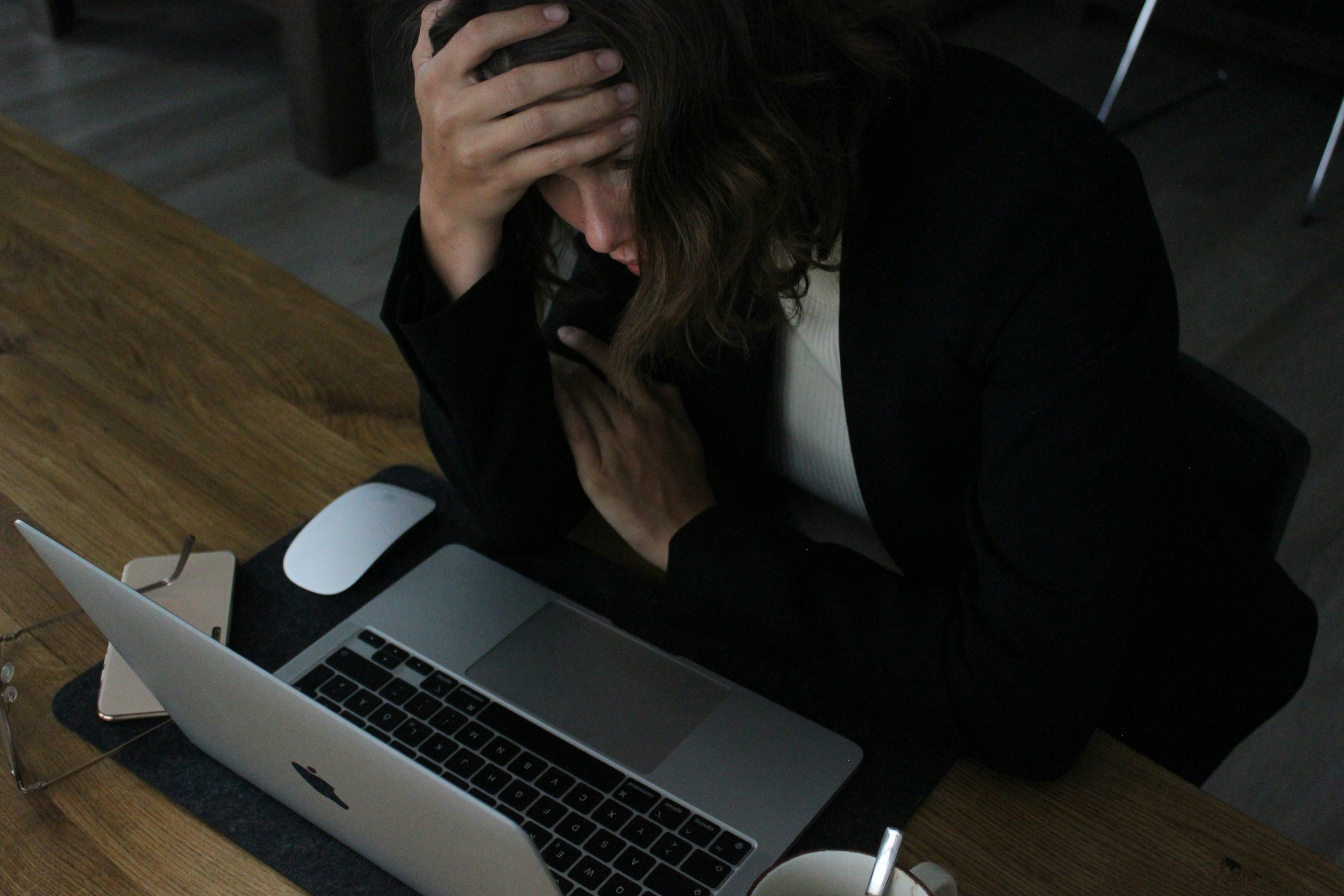
What Is Health Anxiety? Understanding Illness Anxiety Disorder and Somatic Symptom Disorder
Health anxiety is a general term for excessive worry about your health. When severe, it may be diagnosed as illness anxiety disorder (fear of serious illness with little or no symptoms) or somatic symptom disorder (real physical symptoms with excessive worry about them).

Postpartum OCD vs Postpartum Anxiety: What New Parents Need to Know
Postpartum OCD and postpartum anxiety are common conditions in new mothers that can look similar but have key differences. Postpartum OCD involves intrusive thoughts and compulsions, while postpartum anxiety presents as more generalized worry. Both are highly treatable with the right support.

Mental Health After a Heart Attack: Depression, Anxiety, and Recovery
Depression after a heart attack is linked to a 2–4 times higher risk of future cardiac events and mortality. The good news is that early recognition and treatment can significantly improve outcomes.

Stress vs. Anxiety: What’s the Difference?
Many people use the words stress and anxiety interchangeably. They can feel very similar. Both can cause worry, tension, trouble sleeping, or a racing heart. But medically, stress and anxiety are not the same thing. Understanding the difference can help people recognize when what they’re experiencing is a normal response to life versus when it may be a mental health condition that deserves professional attention.

When Your Brain Won’t “Just Relax”: Understanding GAD
GAD is fairly common, affecting about 6% of people at some point in their lives in the United States. For many, symptoms are chronic and can significantly impact quality of life. People with GAD often worry about everyday responsibilities or future possibilities. Living with generalized anxiety disorder can feel exhausting, overwhelming, and isolating, but it is also highly treatable with the right support.

Perfectionism or Panic? How OCD and OCPD Are Different
Although OCD and OCPD may look similar on the surface, the treatment plans differ significantly. Someone with OCD may need medication and exposure-based therapy, while someone with OCPD may benefit more from long-term therapy focused on identity, behavior patterns, and meaningful change.

Worry Time: A Smarter Way to Worry
Worry time is a cognitive-behavioral strategy that involves setting aside a daily 20–30 minute window for worrying. This approach has been shown to reduce excessive worry and anxiety and is supported by research as a helpful component of cognitive behavioral therapy, including for generalized anxiety disorder.

What Postpartum Care Planning With a Psychiatrist Looks Like
Welcoming a new baby is one of the most meaningful transitions in someone’s life, but it is also a time of major physical, emotional, and hormonal change. I never want new parents to enter the postpartum period feeling alone, overwhelmed, or unsure of what to expect. This is why I walk all my expecting moms and dads through a postpartum care plan well before delivery.

The Case for Lavender: Evidence Behind Silexan for Anxiety
Lavender oil has gained attention for its potential calming effects. In this post, I’ve summarized the key findings from the best study to date examining the oral lavender oil preparation Silexan in people with generalized anxiety disorder (GAD).

The Truth about Lorazepam
Learn about lorazepam, a benzodiazepine medication seen in The White Lotus Season 3


